
Why You Should Never Talk About Your Criminal Case on the Phone, Especially in Jail

TLDR: Warning—DO NOT discuss your criminal case in jail or on jail phones! Every call is likely recorded, exposing you to additional charges, violations of no-contact orders, and giving prosecutors ammunition against you. Talking on the phone risks self-incrimination, reveals your defense strategy, and makes it harder for your attorney to fight for you. Get aggressive legal advice—protect your rights now!
Stop. Put down the phone. Your freedom depends on it.
If you're facing criminal charges in Indiana, every phone call you make could be the difference between walking free and spending years behind bars. This isn't legal advice, it's a survival guide. The prosecution is listening, recording, and building their case against you with every word you speak.
Your Phone Calls Are Being Recorded, All of Them
Here's the harsh truth: Every single phone call you make from jail is recorded. There are no exceptions. The Marion County Jail, Hamilton County Jail, and every correctional facility in Indiana records every conversation that isn't with your attorney. They don't need your permission. They don't need a warrant. It's automatic.
But here's what most people don't realize: your cell phone calls can also be monitored and recorded when you're out on bond. Law enforcement agencies use sophisticated technology to intercept communications, especially in serious felony cases. Your "private" conversations aren't private at all.
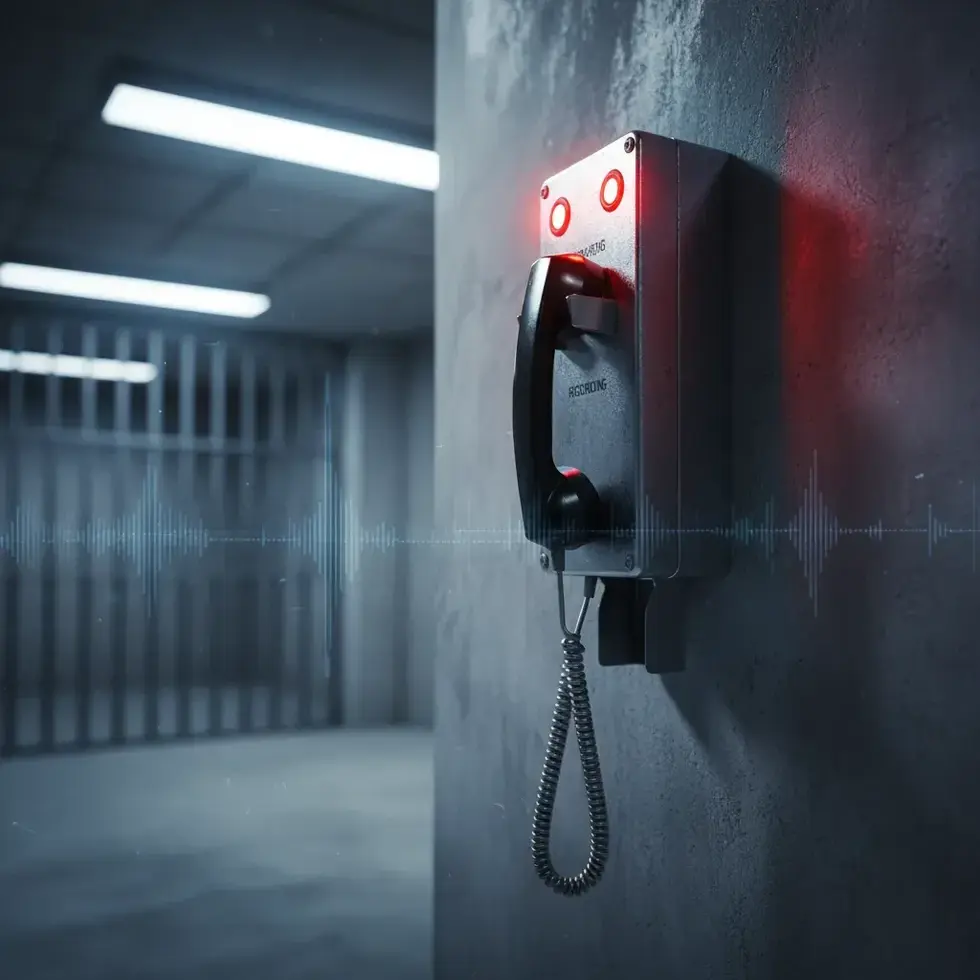
The recording systems are so advanced that they can automatically flag conversations containing specific keywords related to your case. When you say "drugs," "gun," "hit," or "evidence," the system alerts prosecutors. They're not just passively recording, they're actively hunting for ammunition to use against you.
Every Call to Someone Under a No-Contact Order Is a New Criminal Charge
Think that protective order or no-contact order is just a suggestion? Think again. In Indiana, violating a no-contact order isn't just one crime, it's a separate criminal charge for every single contact. That means every phone call, every text, every attempt to reach out becomes its own case.
Here's how this destroys your life:
- First violation: Class A misdemeanor (up to 1 year in jail, $5,000 fine)
- Subsequent violations: Level 6 felony (6 months to 2.5 years in prison)
- New charges: Invasion of privacy, harassment, stalking
I've seen clients rack up dozens of additional charges simply because they couldn't stop calling someone they were ordered to avoid. One phone call becomes ten charges. Ten charges become life-altering prison time.
You're Handing Your Legal Strategy to the Prosecution
Every time you discuss your case on the phone, you're giving the prosecution a roadmap to destroy your defense. When you tell someone:
- "I was at the bar that night, but I only had two beers"
- "The cops didn't read me my rights until later"
- "I threw the stuff away before they searched me"
- "My alibi witness might not want to testify"
You've just handed prosecutors crucial information about your defense strategy. They now know what witnesses to investigate, what evidence to look for, and how to counter your attorney's arguments.

Your defense becomes predictable. Instead of walking into court with a solid strategy, your attorney is now playing defense against information you voluntarily gave away. This makes it exponentially harder to negotiate favorable plea deals or win at trial.
Admissions That Will Destroy Your Case
The most dangerous part of jail phone calls? You will say something incriminating. It's almost inevitable. People under stress, especially when talking to worried family members, have a natural tendency to explain, justify, or confess.
Common admissions that ruin cases:
- "I didn't mean for it to happen" (admission of involvement)
- "I was just in the wrong place at the wrong time" (admission of presence)
- "It wasn't as bad as they're making it sound" (admission that something happened)
- "I was trying to help" (admission of participation)
Each of these statements, recorded on jail phones, becomes a prosecution exhibit. Your own words become the star witness against you.
Confessing to Uncharged Crimes Creates New Cases
Here's where phone calls become truly catastrophic: you often confess to crimes you haven't been charged with yet. During emotional conversations with family, clients frequently reveal:
- Drug dealing activities
- Previous incidents of violence
- Theft or fraud schemes
- Weapons violations
- Other criminal conduct
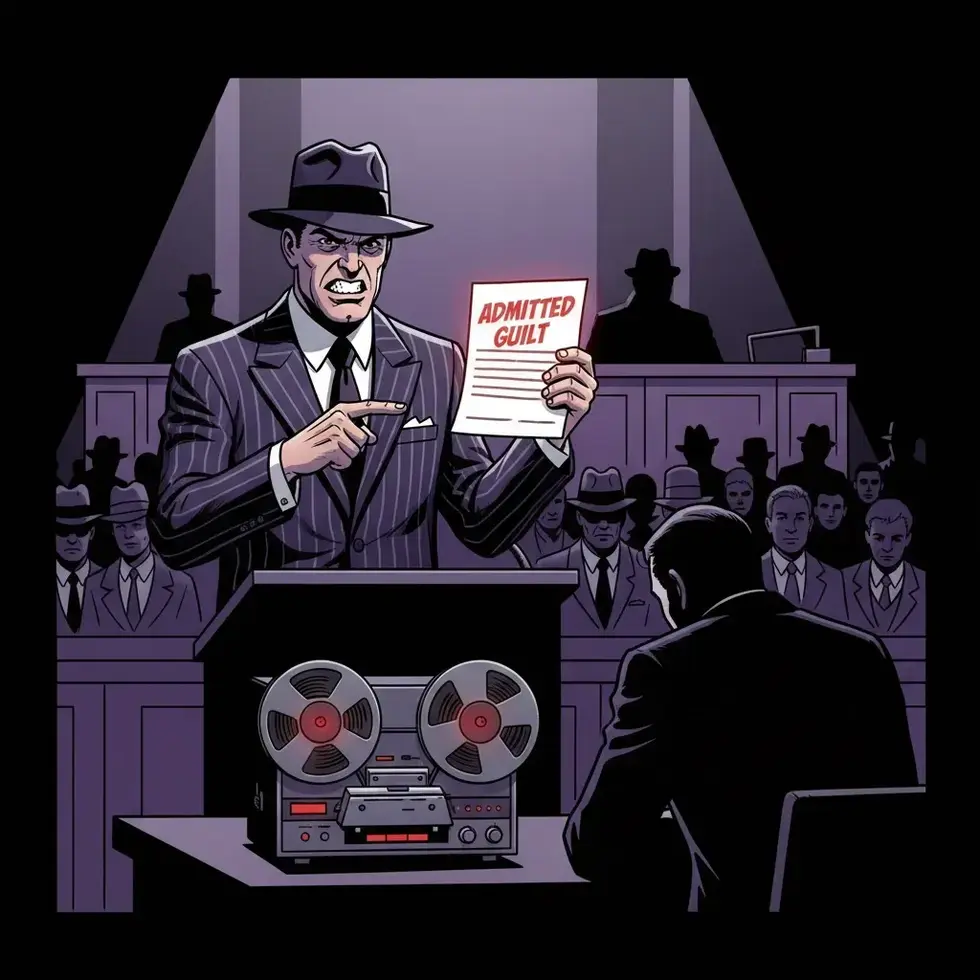
These admissions don't just hurt your current case, they generate entirely new criminal charges. I've watched clients turn single charges into multi-count indictments simply because they couldn't stop talking on recorded jail phones.
Real-World Example: How One Phone Call Changed Everything
Consider this actual scenario from an Indiana case: A client charged with theft called his girlfriend from jail to "explain what really happened." During the recorded call, he admitted to:
- The theft he was charged with
- Two previous thefts from the same employer
- Selling stolen merchandise
- Using drugs (probation violation)
One phone call turned a simple theft charge into multiple felony counts, probation violations, and federal charges for interstate commerce violations. His sentence went from potential probation to mandatory prison time.
The Family Pressure Trap
Your family wants answers. They're scared, confused, and demanding explanations. But their emotional needs cannot override your legal survival. When family members plead:
- "Just tell me what happened"
- "We need to know the truth"
- "Are you okay? What's going on?"
Your response should always be: "I can only discuss this with my attorney. Please contact Mark Nicholson's office immediately."
Yes, this is hard on your family. Yes, it feels cruel. But protecting your freedom protects your family's future too.
What Law Enforcement Looks for in Recorded Calls
Investigators and prosecutors specifically listen for:
- Admissions of guilt or involvement
- Details about evidence location
- Information about co-defendants or accomplices
- Witness intimidation attempts
- Plans to flee or hide evidence
- Emotional reactions that suggest guilt
- Contradictions to your official statements
They have teams of people whose only job is to analyze these recordings and find ways to strengthen the case against you.
The Only Safe Approach: Complete Silence
Here's your survival strategy:
- Never discuss your case on any phone, ever
- Only speak to your attorney about legal matters
- Use jail calls only for basic family needs: "I'm okay, I love you, call my lawyer"
- Do not respond to questions about the case, even from family
- End calls immediately if anyone starts asking about the charges
Protecting Your Defense Strategy
Your attorney's ability to defend you effectively depends on maintaining strategic advantages. When you discuss your case on recorded phones, you eliminate those advantages. Instead of negotiating from strength, your attorney must now damage-control against your own admissions.

This is why attorney-client privilege exists, and why it only applies to conversations with your lawyer. Everything else is fair game for the prosecution.
Emergency Contact Protocol
If you must make calls from jail, stick to this script:
- "I'm safe and being treated fairly"
- "Please contact the Law Office of Mark Nicholson immediately"
- "I cannot discuss the case, but I love you"
- End the call
Any deviation from this protocol puts your case at risk.
The Bottom Line: Your Freedom Is Worth More Than Explanations
Your family's need for answers is understandable, but temporary. A criminal conviction is permanent. Prison time is permanent. A felony record is permanent.
Every phone call you make about your case is a gamble with your freedom: and the house always wins. The prosecution has unlimited time, resources, and legal authority to use your words against you. You have one chance to protect your future.
Choose silence. Choose freedom. Let your attorney do the talking.
If you're facing criminal charges in Indiana, contact the Law Office of Mark Nicholson immediately. Don't wait. Don't explain. Don't justify. Just call.
Your future depends on what you don't say today.


Comments
There are no comments for this post. Be the first and Add your Comment below.
Leave a Comment