
Do You Need a Gun License? State Requirements
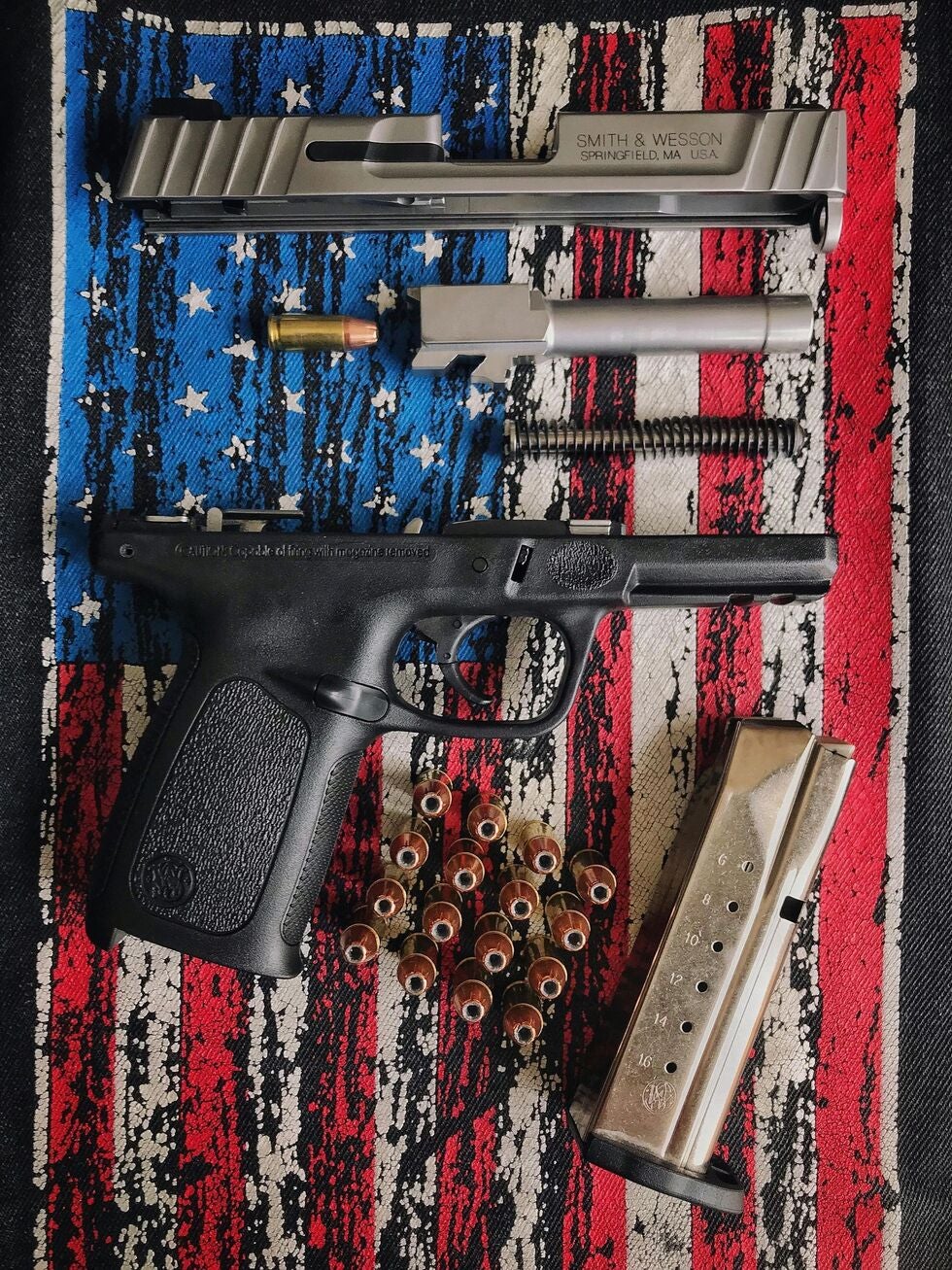
Indiana: Understanding gun ownership laws is crucial for anyone considering owning a firearm. These laws can be complex and vary widely across different states.
Whether you need a license to own a gun depends on where you live. Some states require a license for ownership, while others do not.
The process of obtaining a gun license can involve several steps. These often include background checks, fingerprinting, and safety training.
Knowing the difference between owning a gun and carrying one in public is important. A license to carry may be required for concealed or open carry.
Legal compliance is essential to avoid potential penalties. These can include fines, imprisonment, or loss of gun rights.
Staying informed about changes in gun laws is vital. This ensures you remain compliant and understand your rights and responsibilities as a gun owner.
Understanding Gun Ownership License Requirements
Gun ownership laws form the backbone of your responsibilities as a firearm owner. Understanding them prevents legal trouble and promotes safe usage.
Each state sets its own rules regarding gun licenses. Some states mandate a license just for ownership, while others, like Indiana, do not.
Engaging with your local laws is critical before acquiring a firearm. They dictate what permits are necessary for buying or carrying a gun.
Licensing generally involves multiple requirements. Here are some of the common prerequisites:
- Background checks
- Fingerprinting
- Completion of a safety training course
- Proof of residency and age
Federal law also plays a role, especially when purchasing from licensed dealers. You must pass background checks; this is non-negotiable.
Meanwhile, private sales and gun shows may have looser regulations. These depend largely on state-specific legislation.
Responsibility is a major theme in gun ownership. Securing a license means demonstrating an understanding of safe handling practices.
Educating yourself about the unique laws in your area is of utmost importance. It minimizes the risk of unintentional legal violations.
When you're well-informed, compliance becomes less daunting. A proactive stance on learning gun laws helps avoid unnecessary conflicts.
Federal vs. State Gun Laws: What You Need to Know
Understanding the relationship between federal and state gun laws is crucial. These laws often intersect and can influence your rights and responsibilities.
Federal laws establish the baseline for gun purchases. They mainly address who can own firearms and the process of purchasing them from licensed dealers.
State laws, on the other hand, add a layer of complexity. They can impose additional requirements or restrictions beyond federal standards.
Key differences often include:
- Age limits for gun ownership
- Specific types of firearms allowed
- Licensing for concealed or open carry
- Background check protocols
- Regulations for private and gun show sales
Confusion can arise when states enact laws that differ from federal guidelines. It's essential to know both to ensure you stay within legal boundaries.
Some states cooperate with federal authorities, while others chart their own paths. This means what applies in one state might be vastly different in another.
Always verify gun laws specific to your state. This reduces the risk of inadvertently breaking laws and facing penalties.
Balancing federal and state laws requires diligence. Thorough research and an understanding of both keep you legally compliant.
Do You Need a License to Own a Gun? State-by-State Overview
Gun laws vary widely across the United States. This variance affects whether you need a license just to own a gun. Some states require this, while others focus on licensing for carrying firearms in public.
In states like California and New York, stricter regulations necessitate a license even for ownership. These states often impose comprehensive background checks and safety training as prerequisites.
Conversely, states such as Indiana, Texas and Arizona have more permissive laws. Here, owning a gun might not require a license, although purchasing and carrying have distinct regulations.
Understanding state-specific laws is crucial. These laws can affect your ability to buy, own, and use firearms. This knowledge is especially important if you move between states or frequently travel with firearms.
For easy reference, consider the following:
- Licenses required for ownership: California, New York
- No license required for ownership: Texas, Arizona
- States with varying local ordinances: Illinois, Massachusetts
Additionally, many states offer reciprocity agreements. These agreements recognize licenses from other states, although this varies. Checking state reciprocity can be essential when traveling.
Always familiarize yourself with both local and state gun laws. Tailoring your compliance strategy to specific regions ensures you meet all legal obligations confidently.
The Difference Between Owning and Carrying: License to Carry Explained
Owning and carrying a firearm are distinctly different under the law. While ownership pertains to having a firearm within your private domain, carrying involves taking a gun into public spaces.
A license to carry is typically required for taking firearms outside the home. This could be for either concealed or open carry, with requirements varying widely by jurisdiction.
Obtaining a license to carry often entails completing a more rigorous application process. This process typically includes background checks and, in many states, proof of firearms training.
Consider these key points about carrying licenses:
- Concealed Carry: Requires a license in nearly all jurisdictions.
- Open Carry: Laws vary widely; some states require licenses, others do not.
- Training Requirements: Many states mandate firearms safety courses for both types.
Understanding these distinctions helps in legal compliance and avoiding potential penalties. Each state can apply different criteria for when a gun can be carried in public. It is crucial to know these details to ensure you uphold your responsibilities as a firearm owner and carrier.
The Gun License Application Process: Step-by-Step Guide
Obtaining a gun license requires following specific procedures. These procedures are essential for ensuring responsible gun ownership.
Begin by determining the specific requirements in your state. Each state has unique regulations and forms to complete. It's crucial to start with accurate information.
Next, gather necessary documents. Standard documents often include proof of residency and identification, such as a driver's license. Some states may ask for additional documentation to prove eligibility.
Most states mandate background checks. This process may involve fingerprinting and reviewing your criminal history. Expect this step to verify you meet all legal requirements for gun ownership.
Completing a firearms safety course is another common requirement. Such courses educate you about safe handling and storage of firearms, promoting responsible ownership.
After preparing your application and documents, submit them to the appropriate agency. This could be a local sheriff's office or a state department. Ensure all forms are filled out correctly to prevent delays.
The gun license application generally involves the following steps:
- Determine state-specific requirements
- Gather necessary documentation
- Complete a background check
- Enroll in a firearms safety course
- Submit the application to the correct authority
Following these steps carefully can facilitate a smoother license acquisition process, ensuring compliance with all legal standards.
Who Can and Cannot Get a Gun License?
Understanding eligibility for a gun license is crucial. Eligibility requirements vary by state, reflecting local laws and priorities.
Generally, applicants must meet age and residency requirements. They are often required to be U.S. citizens or legal residents with no felony convictions.
Restrictions apply to certain groups. Individuals with restraining orders or domestic violence convictions typically face prohibitions.
Mental health factors can influence eligibility. Those with certain mental health histories may face restrictions, emphasizing the importance of health evaluations.
The following groups often face restrictions or prohibitions:
- Those with felony convictions
- Individuals with restraining orders
- Persons with specific mental health issues
- People with certain domestic violence charges
Ensuring you meet all eligibility requirements is critical before applying. Knowing these restrictions helps avoid legal issues and delays in obtaining a license. Always check state-specific criteria to ensure compliance with laws and regulations.
Legal Responsibilities and Safe Gun Ownership
Owning a gun comes with significant responsibilities. Safety and legal compliance are at the forefront of responsible gun ownership.
Legally, gun owners must adhere to local and federal laws. This includes complying with storage and usage regulations to prevent unauthorized access.
Secure storage is essential for safety. Guns should be kept locked and unloaded, away from children and unauthorized users.
Safe gun ownership also means being well-informed. Attending training courses can ensure proper handling and knowledge of laws.
Key responsibilities of gun owners include:
- Complying with legal storage and usage laws
- Securing firearms to prevent unauthorized access
- Staying informed about current gun laws and safety practices
Ongoing education and training are important. Regularly updating your knowledge ensures compliance with changing laws and enhances safety measures. Taking these steps safeguards your rights and promotes a secure environment for everyone involved.
Common Questions About Gun Licenses and Compliance
Navigating gun licensing can raise many questions. It's important to address these to ensure full legal compliance.
Individuals often ask about the need for a license to own vs. carry a gun. Understanding these distinctions can help avoid legal troubles.
Other common inquiries include:
- How long does the gun license application process take?
- What training is required to obtain a license?
- Are there fees involved in the application process?
Knowing the answers aids in planning and preparation. Remember, regulations can vary by jurisdiction, so seeking local advice is always wise. Understanding these aspects of gun licensing ensures you remain within the law and enhances your overall preparedness as a gun owner.
Staying Informed: Changes in Gun Laws and Ongoing Education
Gun laws are not static; they change as societal needs evolve. Keeping up-to-date with legal shifts is crucial for responsible gun ownership.
It's beneficial to engage in ongoing education. Consider the following steps to stay informed:
- Subscribe to legal newsletters or updates.
- Attend gun safety courses regularly.
- Join local gun owner organizations for legislative news.
Being proactive in your education ensures you remain compliant with current regulations and responsible in your gun ownership practices.
Navigating Gun Ownership with Confidence
Understanding gun ownership laws is vital for all prospective firearm owners. A clear grasp of licensing requirements and legal responsibilities helps you make informed decisions.
Remember, gun ownership involves more than just purchasing a firearm. It requires ongoing attention to legal changes and a commitment to safe practices.
Equip yourself with knowledge, stay informed, and seek legal advice when necessary. By doing so, you can navigate the complexities of gun ownership with confidence and peace of mind.


Comments
There are no comments for this post. Be the first and Add your Comment below.
Leave a Comment