
Understanding the Dangers of Rollover Accidents and Your Legal Options
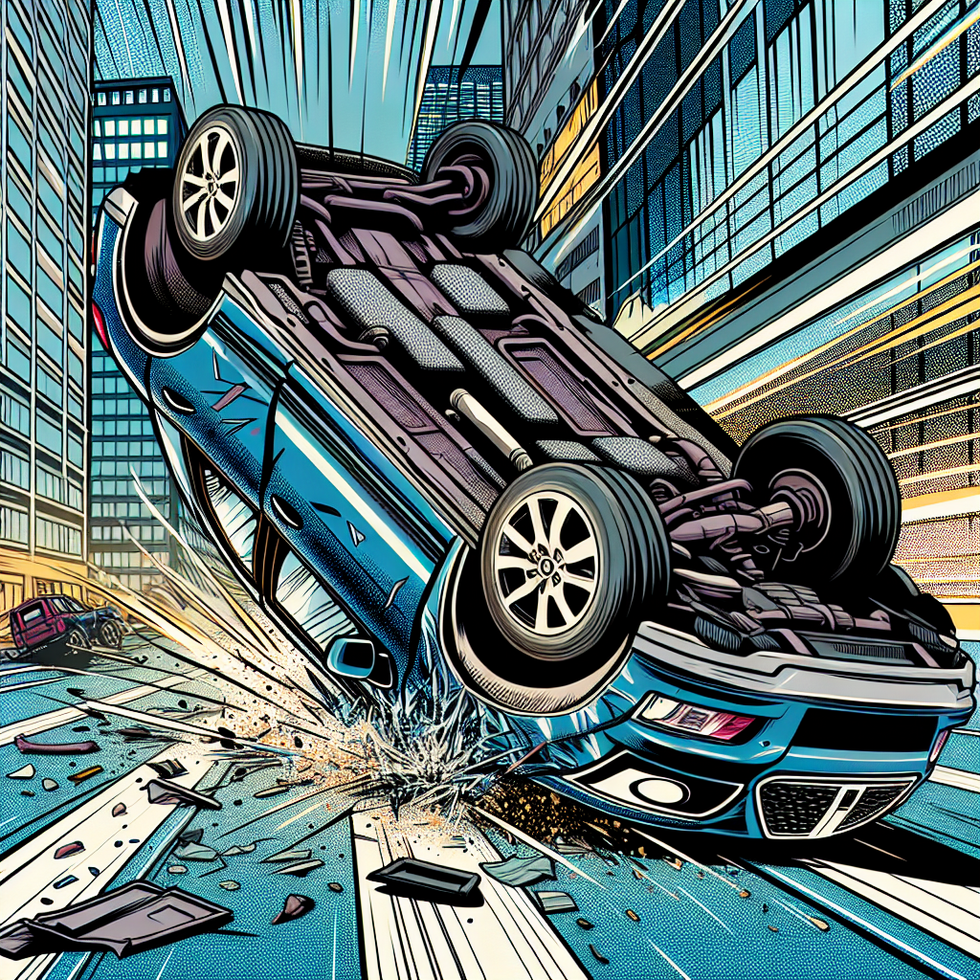
Indianapolis-Rollover accidents rank among the most catastrophic types of vehicle collisions and often lead to severe injuries or fatalities. These accidents, which occur when a vehicle tips onto its side or roof, disproportionately account for a significant percentage of traffic-related deaths on U.S. roads. Below, we outline common causes of rollover accidents, the severe consequences they often entail, and steps individuals can take to enhance their safety. Additionally, we discuss the legal remedies available to victims of rollover accidents.
Common Causes of Rollover Accidents
Rollover accidents often stem from a combination of factors, including:
1. Vehicle Design:
Certain vehicles, such as SUVs, pickup trucks, and vans, are inherently more prone to rollovers due to their higher center of gravity. While manufacturers have made advances to improve vehicle stability, these designs still carry inherent risks.
2. Speed:
Driving at high speeds significantly increases the risk of a rollover, particularly on highways or when navigating sharp turns. According to the National Highway Traffic Safety Administration (NHTSA), approximately 75% of fatal rollover accidents occur in zones with speed limits of 55 mph or higher.
3. Driver Error:
Sudden swerving, overcorrection, or distracted driving can destabilize a vehicle, potentially causing it to roll over.
4. Road Conditions:
Uneven road surfaces, potholes, or debris can trigger rollovers. Additionally, rural roads tend to pose higher risks due to sharp curves and the absence of protective barriers.
5. Collisions:
Side-impact ("T-bone") collisions are another leading cause of rollovers, especially when the vehicle is struck at high speed.
The Devastating Consequences of Rollover Accidents
The violent nature of a rollover accident frequently results in life-altering injuries, including:
- Traumatic Brain Injuries (TBI): Passengers face a heightened risk of head injuries, particularly if seat belts are not worn or the vehicle's roof collapses.
- Spinal Cord Injuries: These injuries can lead to partial or complete paralysis, resulting in long-term physical and financial challenges.
- Bone Fractures: The intense force of a rollover can cause significant fractures to the arms, legs, ribs, or pelvis.
- Lacerations and Internal Injuries: Flying debris and the impact of the crash may lead to severe internal and external injuries.
Tragically, many rollover accidents result in fatalities. The NHTSA estimates that 35% of passenger vehicle fatalities stem from rollover accidents, even though these crashes represent a minority of all traffic incidents.
Steps to Protect Yourself from Rollover Accidents
Although no driver can completely eliminate all risks, there are measures you can take to reduce your likelihood of being involved in a rollover accident:
- Select a Safer Vehicle: Choose vehicles equipped with Electronic Stability Control (ESC) and advanced safety features. Review safety ratings and rollover risk data when deciding on a vehicle.
- Always Wear a Seat Belt: Seat belts significantly minimize the likelihood of ejection during a rollover, one of the leading causes of fatalities in such incidents.
- Adhere to Speed Limits: Driving at or below the speed limit enhances vehicle control and mitigates rollover risks.
- Exercise Caution on Rural Roads: Be alert to potential hazards such as sharp turns, uneven road surfaces, and debris, which can destabilize a vehicle.
- Avoid Distracted Driving: Stay focused to react promptly to unexpected hazards while avoiding sudden, destabilizing movements.
Pursuing Legal Remedies After a Rollover Accident
If you or a loved one has sustained injuries in a rollover accident, you may be entitled to compensation for your losses. Many rollover accidents are caused by underlying factors, such as driver negligence, defective vehicle designs, or poorly maintained roads. Pursuing legal action can help hold responsible parties accountable for their role in your accident.
A skilled personal injury attorney can assist by:
- Investigating the circumstances of your accident in-depth.
- Identifying liable entities, such as negligent drivers, vehicle manufacturers, or local governments responsible for hazardous road conditions.
- Negotiating with insurance companies to seek fair compensation for medical expenses, lost income, and other damages.
- Representing you in court if a fair settlement cannot be reached through negotiation.
Why Choose The Law Office of Mark Nicholson
At our law firm, we have a proven track record of helping Indiana residents recover from the aftermath of accidents. Our experienced legal team takes a compassionate yet aggressive approach to securing justice for our clients. We understand the physical, emotional, and financial tolls that rollover accidents can impose, and we are committed to providing dedicated support throughout the legal process.
Take the First Step Toward Justice
If you or a loved one have been involved in a rollover accident, it is essential to act quickly. Evidence can fade, and legal deadlines may impact your ability to file a claim. Contact the Law Office of Mark Nicholson today at 317-219-3402 for a free consultation. Allow us to advocate for your rights, help you secure the compensation you deserve, and guide you through this challenging time with expertise and care.
You don't have to face the aftermath of a rollover accident alone. Reach out to our team for skilled and compassionate legal assistance.


Comments
There are no comments for this post. Be the first and Add your Comment below.
Leave a Comment