
What Happens If You're Charged With OVWI in Indiana?
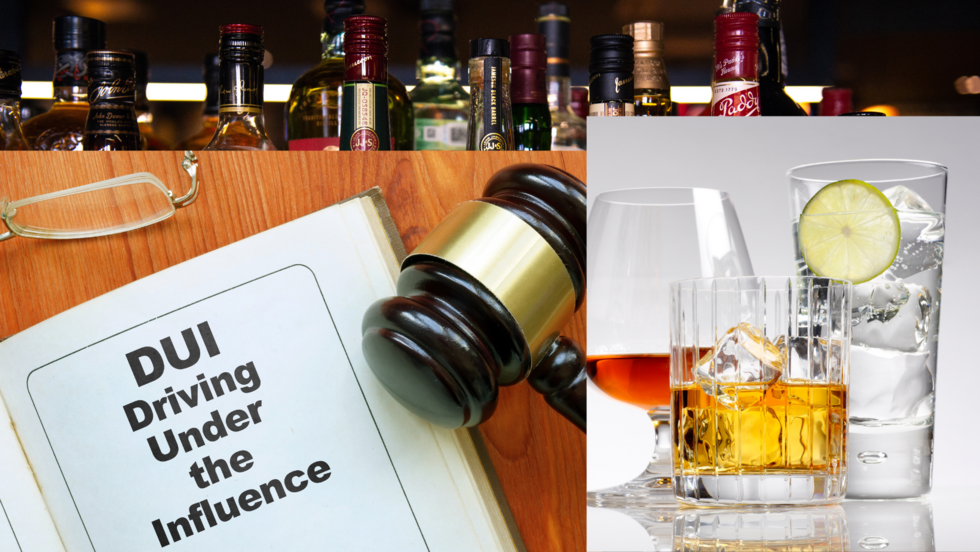
An OVWI charge in Indiana can cost you your license, your job, and your freedom. If you've been pulled over and arrested for operating a vehicle while intoxicated, here's what you're facing and what you can do about it.
What Is OVWI Under Indiana Law?
What most states call a "DUI," Indiana calls an OVWI: Operating a Vehicle While Intoxicated. Under Indiana Code § 9-30-5, you can be charged with OVWI if you operate a vehicle:
- With a blood alcohol concentration (BAC) of 0.08% or higher
- With a BAC of 0.15% or higher (enhanced penalties)
- With a Schedule I or II controlled substance or its metabolite in your blood
- While intoxicated to the point that you endanger another person
Note that "operating" a vehicle doesn't necessarily mean driving. Indiana courts have found that sitting in the driver's seat with the keys in the ignition can qualify. And "vehicle" isn't limited to cars. It includes boats, motorcycles, mopeds, and even golf carts.
What Happens After an OVWI Arrest
The Traffic Stop and Field Sobriety Tests
Most OVWI cases start with a traffic stop. The officer will look for signs of impairment: slurred speech, bloodshot eyes, the smell of alcohol. They may ask you to perform standardized field sobriety tests (the walk-and-turn, one-leg stand, and horizontal gaze nystagmus test). These tests are voluntary, and their reliability is debatable.
Chemical Testing and Implied Consent
Indiana's implied consent law (IC 9-30-6-1) means that by driving on Indiana roads, you've already agreed to submit to a chemical test if an officer has probable cause. Refusing a chemical test results in an automatic one-year license suspension, and the refusal can still be used against you at trial.
Booking and Bond
After arrest, you'll be booked at the county jail. Most first-time OVWI defendants can post bond and be released within hours. The court will set conditions of release, which may include no alcohol consumption and random testing.
Penalties for OVWI in Indiana
Class C Misdemeanor (BAC 0.08% to 0.149%, No Endangerment)
The base-level OVWI with a BAC between 0.08% and 0.149% and no endangerment is a Class C misdemeanor:
- Up to 60 days in jail
- Up to $500 in fines
Class A Misdemeanor (BAC 0.15%+ or Endangerment)
If your BAC was 0.15% or higher, or if you endangered another person, the charge becomes a Class A misdemeanor:
- Up to 1 year in jail
- Up to $5,000 in fines
Level 6 Felony
OVWI elevates to a Level 6 felony if:
- You have a prior OVWI conviction within the past 7 years
- You have two or more prior OVWI convictions at any time (lifetime lookback)
- You were operating with a passenger under 18 years old
A Level 6 felony carries 6 months to 2.5 years in prison and up to $10,000 in fines.
Level 5 Felony
If your intoxicated driving causes serious bodily injury to another person, the charge becomes a Level 5 felony:
- 1 to 6 years in prison
- Up to $10,000 in fines
Level 4 Felony
If you cause serious bodily injury and have a prior OVWI conviction within 5 years, or if your intoxicated driving causes death, you're facing a Level 4 felony:
- 2 to 12 years in prison
- Up to $10,000 in fines
License Consequences
Beyond criminal penalties, an OVWI triggers administrative action against your driver's license:
- First offense: Up to 2-year suspension (with possible specialized driving privileges)
- Second offense within 7 years: Minimum 1-year suspension as a condition of the felony
- Habitual Traffic Violator (HTV): Two OVWI convictions within 10 years can result in an HTV designation, carrying a 5-year license suspension. Driving as an HTV is a Level 5 felony.
You may be eligible for specialized driving privileges that allow you to drive to work, school, medical appointments, and court obligations. An ignition interlock device is often required.
Consequences Beyond the Courtroom
An OVWI conviction reaches into every corner of your life:
- Employment: Many employers run background checks. A conviction can disqualify you from jobs that require driving, security clearances, or professional licenses.
- Insurance: Your car insurance rates will skyrocket. Expect SR-22 filing requirements for years.
- Professional Licenses: If you hold a nursing, teaching, CDL, or other professional license, an OVWI conviction can trigger disciplinary proceedings.
- Immigration: For non-citizens, an OVWI conviction (especially a felony) can affect immigration status.
Common Defenses to OVWI
Every case has facts the State must prove beyond a reasonable doubt. Common defense strategies include:
- Illegal Traffic Stop: If the officer lacked reasonable suspicion to pull you over, everything that follows may be suppressed.
- Faulty Breathalyzer Results: Breath testing machines require proper calibration, maintenance, and operator certification. Failures in any of these areas can invalidate the result.
- Improper Field Sobriety Tests: Officers must administer these tests according to NHTSA standards. Deviations from the protocol undermine their reliability.
- Rising BAC Defense: Your BAC may have been below 0.08% while you were actually driving but rose above that level by the time you were tested at the station.
- Medical Conditions: Certain conditions (GERD, diabetes, certain diets) can produce falsely elevated BAC readings.
- Chain of Custody Issues: Blood draws must follow strict procedures. Any break in the chain of custody can render the results inadmissible.
What You Should Do Right Now
If you've been charged with OVWI in Indiana, here's my advice:
- Write down everything you remember about the stop, the officer's instructions, and what happened at the station. Details fade fast.
- Do not post about your arrest on social media. Prosecutors check. I've seen cases damaged by a single Instagram story.
- Do not plead guilty at your initial hearing without speaking to an attorney. Even a "simple" OVWI has consequences that follow you for years.
- Contact a criminal defense attorney immediately. The sooner we review the evidence, the more options we have to challenge the State's case.
How the Law Office of Mark Nicholson Can Help
I've defended hundreds of OVWI cases across Indiana. I know how these cases are built, and more importantly, I know where they fall apart. From challenging the legality of the traffic stop to questioning the reliability of chemical testing, my job is to hold the State to its burden and fight for the best possible outcome.
Whether that means getting charges reduced, securing alternative sentencing, or taking your case to trial, every client gets an aggressive, thorough defense.
If you've been charged with OVWI in Indiana, contact the Law Office of Mark Nicholson today for a consultation. Let's talk about your case and your options. Call 317-219-3402 today!


Comments
There are no comments for this post. Be the first and Add your Comment below.
Leave a Comment