
Last Updated: Oct 4, 2026
What to Do After an Arrest in Indianapolis: The First 72 Hours
Homicides in Indianapolis fell 20% in 2026, and shootings dropped nearly 40% compared to the year before, according to IMPD preliminary crime data reported by Black Indy LIVE. Yet arrests still happen every day, and if you are the one in handcuffs, those statistics mean nothing. Knowing how to fight criminal charges in Indianapolis starts in the first 72 hours, before memories fade and evidence disappears. At the Law Office of Mark Nicholson, we understand how quickly a case can turn on what happens in those first three days.
Your Right to Remain Silent and Request Counsel
You have the right to stay silent and to ask for a lawyer. Use both, immediately. Anything you say can be used against you later, even small details that seem harmless.
When you ask for counsel, questioning must stop until your lawyer arrives. Say the words clearly: "I want a lawyer." Then say nothing else.
Booking, Bail, and Initial Appearance
Booking is the paperwork and fingerprinting stage. After that comes an initial appearance before a judge, usually within a day or two.
At that hearing, the judge sets bail or releases you on your own recognizance. A lawyer can argue for lower bail or release.
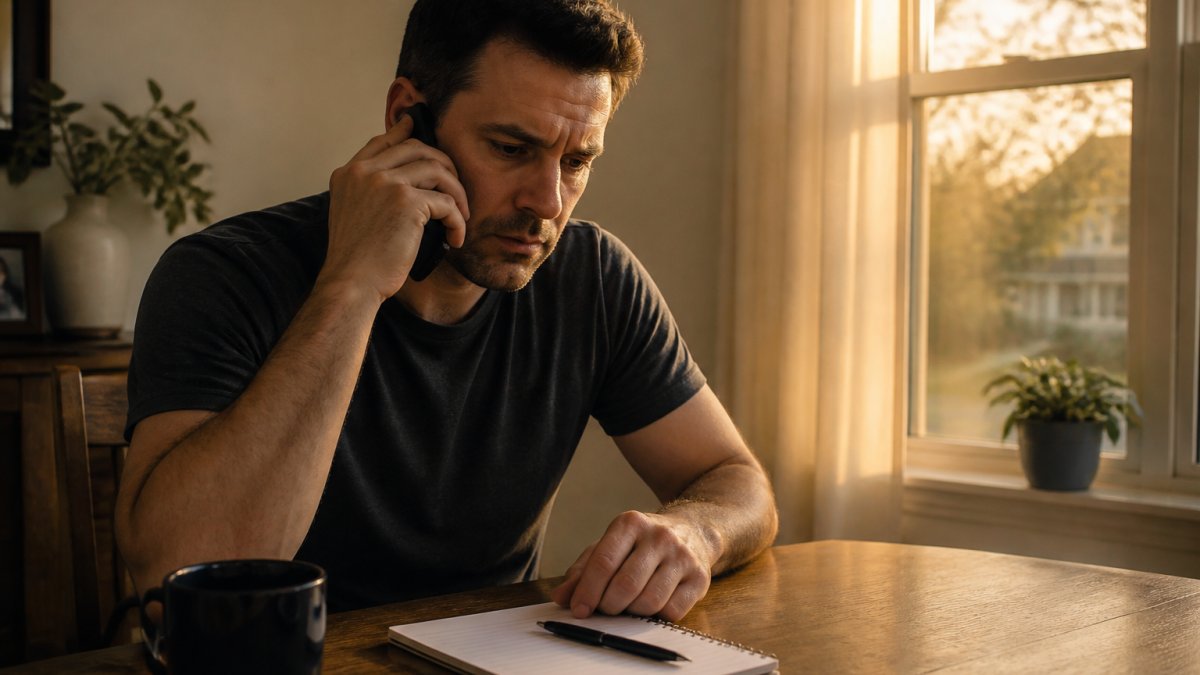
How to Get Criminal Charges Dropped in Indiana
Charges get dropped when the evidence is weak, the stop was illegal, or both sides agree to a diversion program. Prosecutors drop cases for three main reasons: insufficient proof, constitutional violations, or a defendant who completes pretrial diversion.
Here is what we look at first:
- Was there probable cause for the arrest?
- Did police follow proper search and seizure rules?
- Are witnesses credible and willing to testify?
- Is there a diversion program that fits your situation?
Challenging Probable Cause and Filing Motions to Suppress
Probable cause is the legal standard police need to arrest you. If they lacked it, your case may fall apart.
A motion to suppress asks the judge to throw out evidence obtained illegally. If the evidence goes, the charge often goes with it. This is one of the tools we use.
Pretrial Diversion and Deferred Prosecution Options
Diversion lets first-time or low-level offenders complete conditions, like counseling or community service, in exchange for dropped charges.
Not every charge qualifies. Sex offenses and violent felonies usually do not. But for many misdemeanors, diversion keeps a conviction off your record entirely.
Marion County Criminal Court Procedures: What to Expect
Marion County criminal court procedures follow a set path: arraignment, pretrial conferences, and either a plea or a trial date. Each stage has deadlines, and missing one can cost you use.
Arraignment, Pretrial Conferences, and Trial Setting
Arraignment is your formal hearing of the charges and your plea. After that, pretrial conferences let both sides exchange evidence and discuss resolution.
If no deal is reached, the judge sets a trial date. Indiana's criminal rules set timelines for a speedy trial, but those rules are technical. A lawyer tracks them so your rights are protected.
| Stage | Typical Timing | What Happens |
|---|---|---|
|
Arraignment |
Days after arrest |
Charges read, plea entered |
|
Pretrial conference |
Weeks to months later |
Evidence exchanged, plea talks |
|
Trial setting |
After pretrial |
Judge sets trial date |
|
Trial |
Months after charges |
Guilt or innocence decided |
Defense Strategies to Fight Criminal Charges in Indianapolis
The strongest defense attacks the government's evidence, not just the accusation. We build cases around three pillars: illegal stops, weak identification, and credibility gaps.
Suppression Motions: Challenging Illegal Stops and Searches
If police stopped you without reasonable suspicion, or searched without a warrant or valid exception, the evidence may be suppressed. Courts take these violations seriously because they protect everyone's constitutional rights.
Start Your Initial Case Evaluation →
Alibi, Self-Defense, and Witness Credibility
An alibi places you somewhere else. Self-defense justifies your actions. Witness credibility attacks the reliability of the people accusing you.
A common mistake is assuming one strategy covers everything. In practice, we layer defenses. If suppression fails, we pivot to credibility. If credibility holds, we test self-defense.
Indiana Public Defender Commission workload study on defense standards
Building a Strong Defense Team in Indianapolis
A strong defense team starts with a lawyer who prepares for trial from day one. The Indiana Public Defender Commission has studied what adequate defense requires, and the answer is time, experience, and preparation.
Prosecutors know who folds and who fights. We prepare every case as if it is heading to a jury.
Our firm brings:
- Experience from both sides of the justice system
- A willingness to take cases to trial
- 24/7 availability for new-client inquiries
- Discreet handling of sensitive matters
If you are searching for a criminal defense lawyer near me in Indianapolis, look for trial experience, not just a familiar face on a billboard.
How to Fight Criminal Charges in Indianapolis: Next Steps
Fighting charges is a process, not a single hearing. The steps are straightforward: stay silent, get counsel, challenge the evidence, and prepare for trial.
Public access to crime data through the City of Indianapolis Open Data Portal shows how seriously this city tracks cases. That same data-driven approach works in your defense. Document everything, question everything, and let your lawyer press every advantage.
Expungement offers a path forward after a case ends. Court data shows tens of thousands of expungements granted in Indiana since 2024, following a decade where filings rose 52%, per WFIU Public Radio reporting. A clean record is possible, but only after the case is handled correctly.
Conclusion: Taking Control of Your Case
Facing charges in Indianapolis feels overwhelming, but you are not powerless. The first 72 hours, the evidence, and the courtroom strategy all shape your outcome. At the Law Office of Mark Nicholson, we fight to preserve evidence, challenge government proof, and protect your rights and reputation. We explain your options clearly and stand with you through every hearing. Start your initial case evaluation today and take the first step toward protecting your future.
Frequently Asked Questions
What is the first step after being charged with a crime in Indianapolis?
The first step is to invoke your right to remain silent and ask for a lawyer. Do not discuss the case with police or anyone else. In Indianapolis, you can request a public defender at your initial hearing if you cannot afford private counsel. A lawyer can review the probable cause affidavit, identify weaknesses in the state's case, and begin building a defense. According to IMPD's 2026 data, violent crime is down, but charges still carry serious consequences. Contacting an attorney immediately helps preserve evidence and protect your rights.
How can I get criminal charges dropped in Indiana?
Charges may be dropped if your attorney can show a lack of probable cause, illegal search or seizure, or insufficient evidence. In Indiana, pretrial diversion programs are available for some first-time offenders, which can lead to dismissal upon completion. Your lawyer may file a motion to suppress evidence obtained unlawfully. Each case is different, so consult a criminal defense attorney to explore options. The Marion County Prosecutor's Office decides whether to dismiss, but strong legal pressure can influence that decision.
What are common defense strategies used in Indiana criminal cases?
Common strategies include filing motions to suppress evidence, challenging witness credibility, presenting an alibi, and arguing self-defense. In Indianapolis, attorneys also use the Open Data Portal to review incident reports and identify inconsistencies. A 2026 Indiana Public Defender Commission workload study highlights the importance of experienced counsel. Your lawyer may negotiate a plea bargain if trial risks are high, but aggressive defense can lead to reduced charges or dismissal. Always discuss all options with your attorney.
How does the Marion County court system handle criminal charges?
Marion County criminal court procedures begin with an initial hearing where charges are read and bail is set. Then pretrial conferences and motions are scheduled. Most cases resolve through plea agreements, but you have the right to a trial. In 2026, the court continues to process cases with a focus on data-driven efficiency. If you face charges, an attorney can guide you through each stage, from arraignment to trial, and ensure your rights are protected.


Comments
There are no comments for this post. Be the first and Add your Comment below.
Leave a Comment